


Hutchison Ports PPC has positioned itself as a leader in implementing sustainable initiatives in the port industry, not only in Panama but also at a regional level. As concerns about climate change and environmental degradation continue to rise, companies are under pressure to reduce their carbon footprint and adopt more sustainable practices.
Hutchison Ports PPC responds to this challenge with the campaign “My Goal, My Planet,” which develops a series of actions that promote the circular economy, efficient wastewater management, the use of clean energy, the gradual conversion of its fleet of vehicles and equipment from fossil fuels to electric; as well as raising awareness among its employees, suppliers, and local communities about the importance of protecting nature.
Less Waste in Landfills
The circular economy is a concept that seeks to minimize waste and make maximum use of available resources. Hutchison Ports has adopted this philosophy by implementing recycling and material reuse programs within its operations.
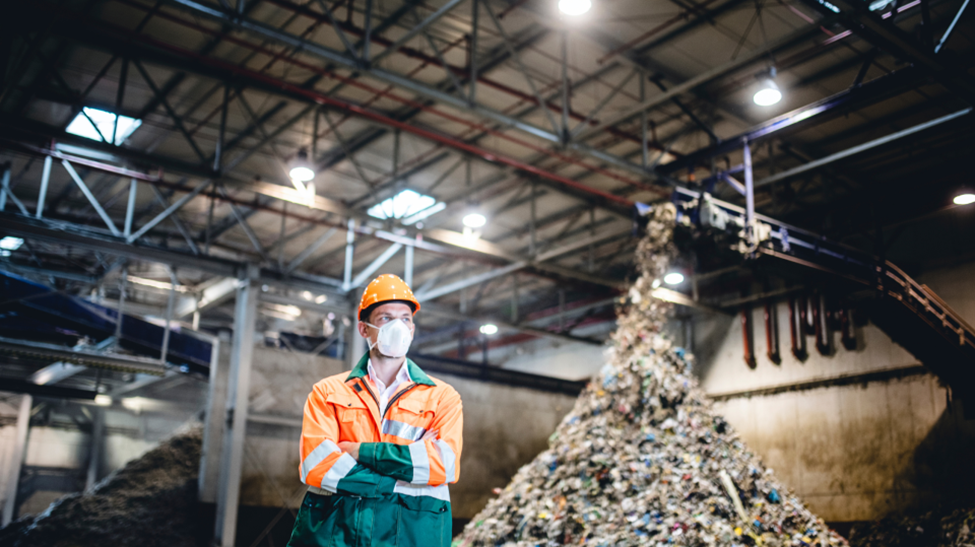
From October 2023 to March 2024, 168 tons of waste were collected, of which 153 were processed for subsequent use. This means that 91% of the waste did not end up in the Cerro Patacon landfill but was reused, explains Roxana Ortega, senior project and infrastructure manager at Hutchison Ports PPC.
This operation, which began in February 2023 in partnership with Panama Waste Management (PWM) and the cement company CEMEX, collects, sorts, and reuses all waste generated by the operation of the two ports.
All this waste is converted into fuel to power the kilns that produce clinker, the raw material for cement production, thus avoiding aggravating the waste problem and environmental pollution.
These 153 tons that did not go to Cerro Patacon contribute directly to reducing greenhouse gases since for every two (2) tons processed, the use of one ton of fossil fuel is avoided, and the carbon footprint is reduced, according to Joaquín Cortés from the Projects Management department.
In addition to the environmental benefit of reducing the carbon footprint, another advantage of the circular economy is the direct economic impact of this activity. According to Roxana Ortega, “when we calculated the cost of disposing of waste in the open-air landfill at Cerro Patacon versus the circular economy we use, we found that the latter is much more economical because there are costs that are sometimes not calculated, such as personnel or equipment to move the waste. Moreover, most importantly, we are contributing to reducing our negative impact on the environment since only a minimal part, just 9% of the waste, goes to the landfill”.
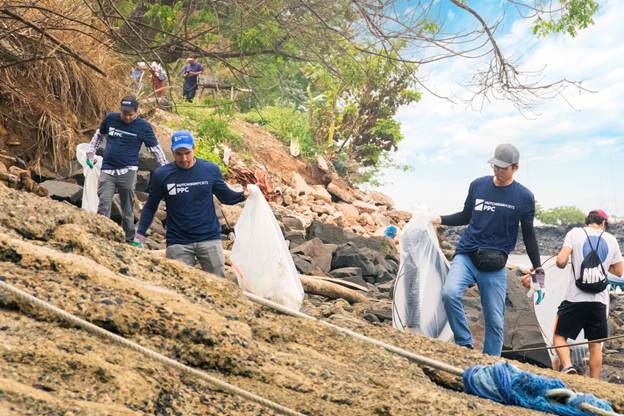
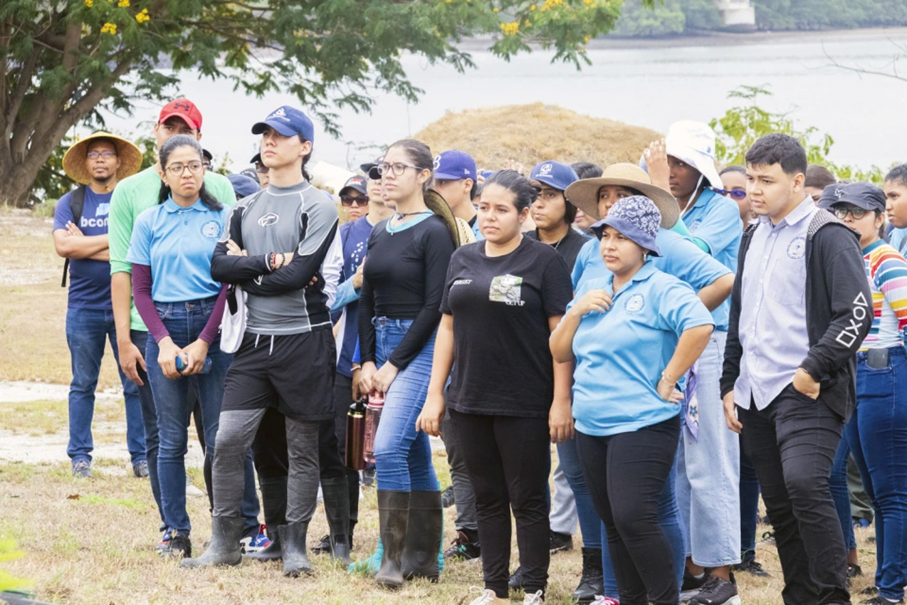
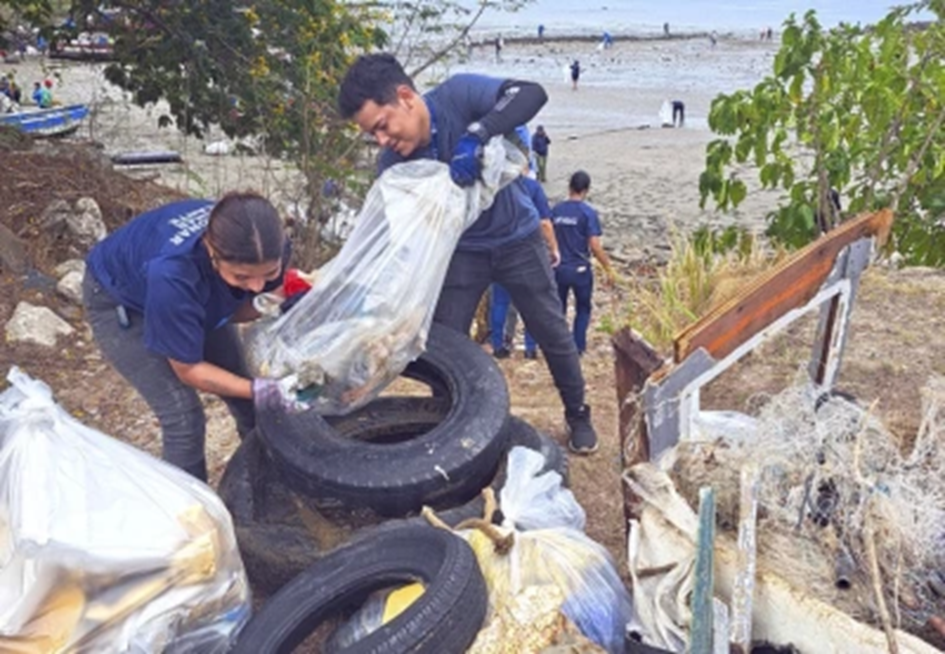
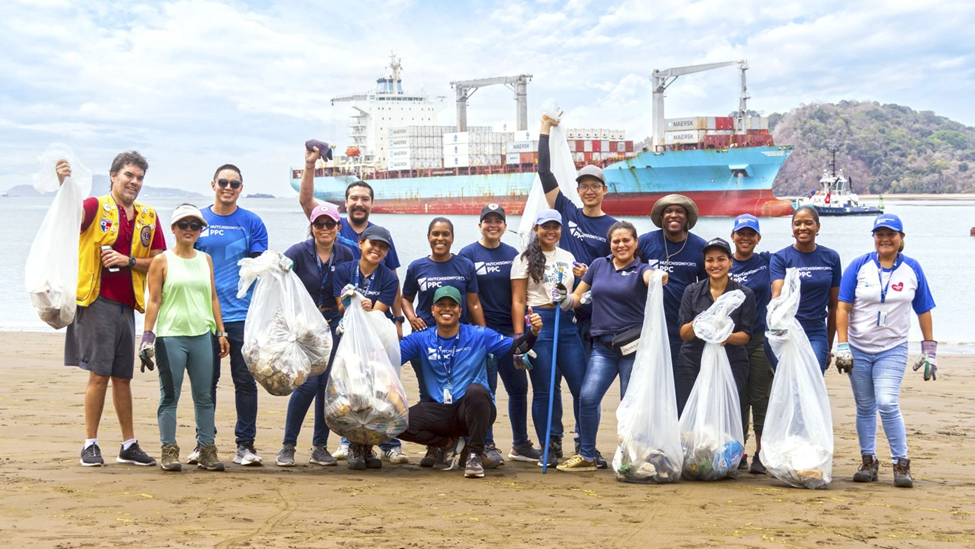
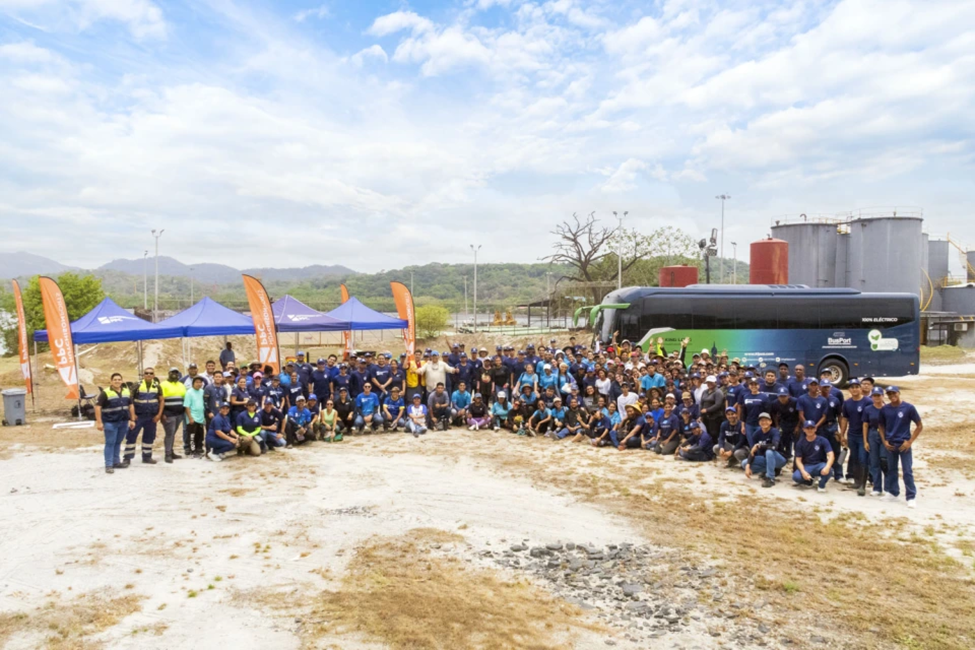
Beach cleaning as good practices in support of the community.
The Water Challenge
Efficient wastewater management is essential for any industrial operation. This is also a concern for the port company, which is working on a prototype system for collecting rainwater for reuse.
Additionally, it has implemented advanced systems to treat and reuse water. In collaboration with the Ministry of Environment, it develops continuous water quality monitoring programs, allowing for the detection and correction of any anomalies in real-time.
These actions not only ensure that discharged water complies with environmental regulations but also allow for the reuse of treated water for irrigation and facility cleaning.
This proactive approach not only protects nearby marine ecosystems but also ensures that port operations do not negatively affect local communities.
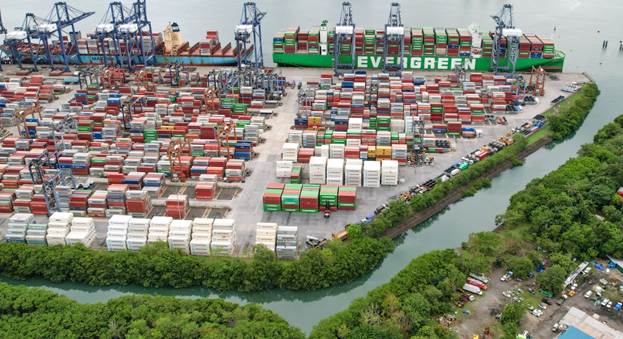
Aerial photo of the Balboa port in coexistence with the mangroves of this area.
Use of Clean Energy
Hutchison Ports’ commitment to sustainability includes a transition to clean energy sources. The company has significantly invested in installing solar panels in its facilities, taking advantage of Panama’s abundant sunlight.
These panels not only reduce dependence on fossil energy but also generate a significant amount of electricity, lowering long-term operating costs.
In addition to solar panels, LED lighting systems have been implemented in all its facilities. These lights not only consume less energy but also have a longer lifespan, reducing the need for frequent replacements and decreasing electronic waste.
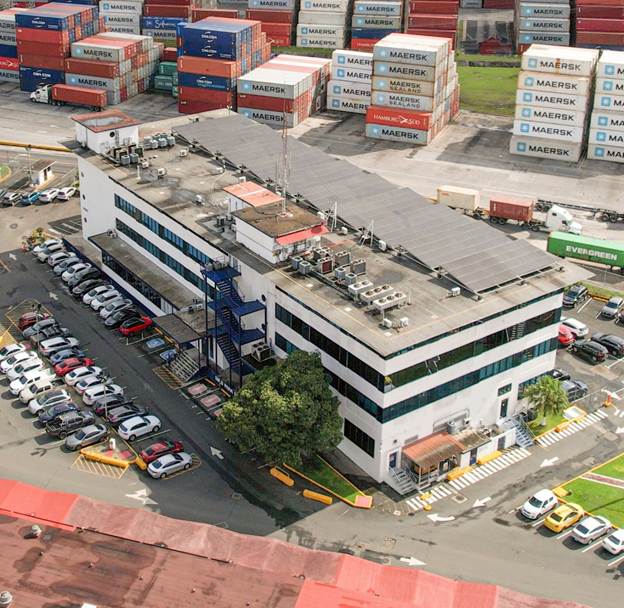
Solar panels on the roof of our main building.
Conversion to Electric Vehicles
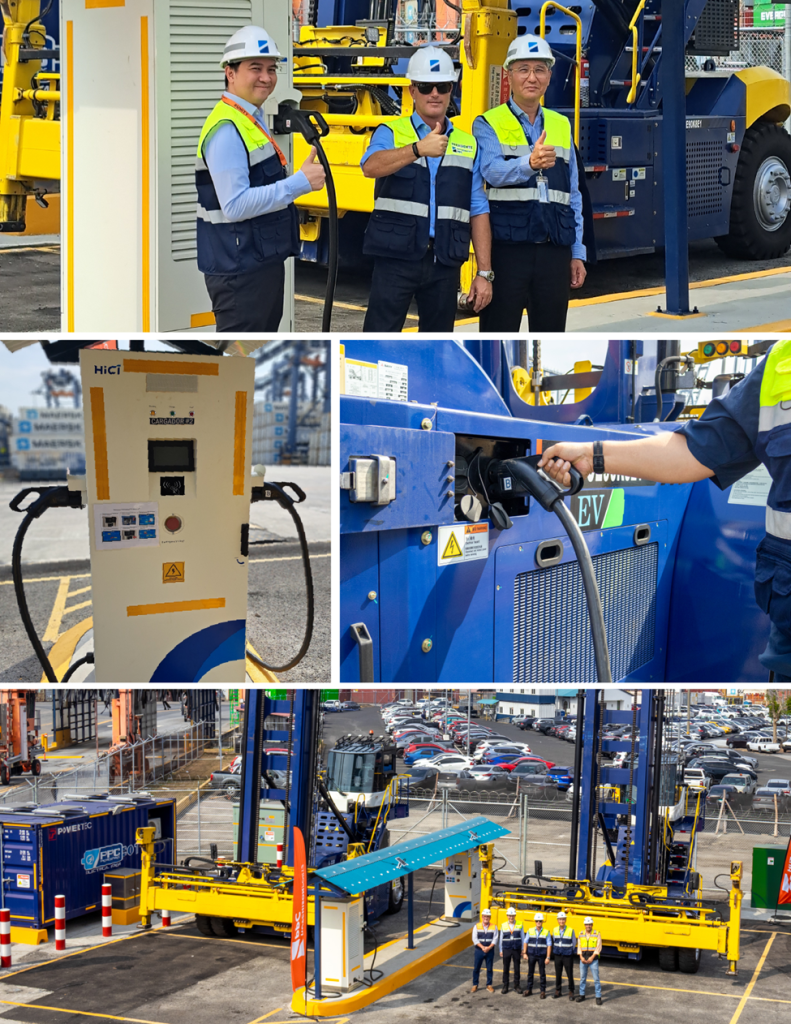
In its effort to reduce carbon emissions, Hutchison Ports has initiated a program to convert its heavy equipment and fossil-fuel-powered vehicles to electric vehicles.
Ortega highlighted that, “The plan is that when equipment has reached its end of life, it will be replaced by an electric one. We have just completed the construction of two electric charging stations for heavy equipment used in operations to supply them with the necessary electricity. Also, regarding cranes and other container handling equipment, since 2010, we started the transition, first to hybrids and now fully electric. I believe we can say that currently 92% of the yards and docks operate on electricity. But it is a gradual process that will later extend to tractors and other vehicles, even those of our users and suppliers”
Electric vehicles not only produce fewer emissions but are also quieter, contributing to a more pleasant work environment and reducing noise pollution.
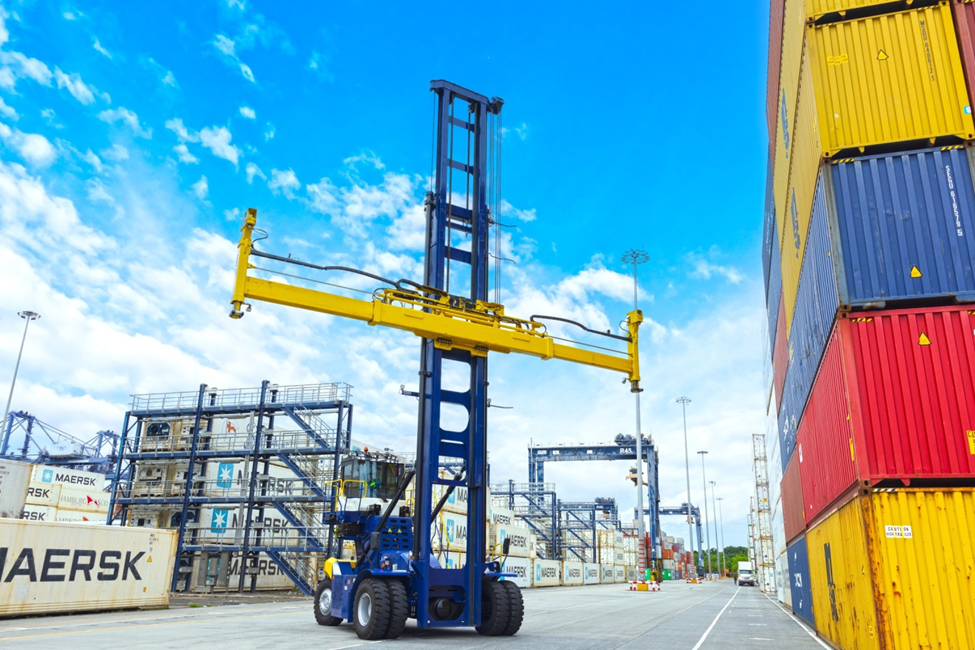
eECH, an electric vehicle for mobilizing containers.
Hutchison Ports is setting a standard for sustainability in the port industry through its various environmental initiatives. The circular economy, efficient wastewater management, the use of clean energy, and the conversion to electric vehicles are just some of the measures the company has adopted to reduce its carbon footprint.
By pioneering these practices in Panama, it is not only contributing to environmental protection but also demonstrating that sustainability and operational efficiency can go hand in hand.
In a world where sustainability is increasingly crucial, Hutchison Ports stands out as an example for other companies in the sector to follow.